-
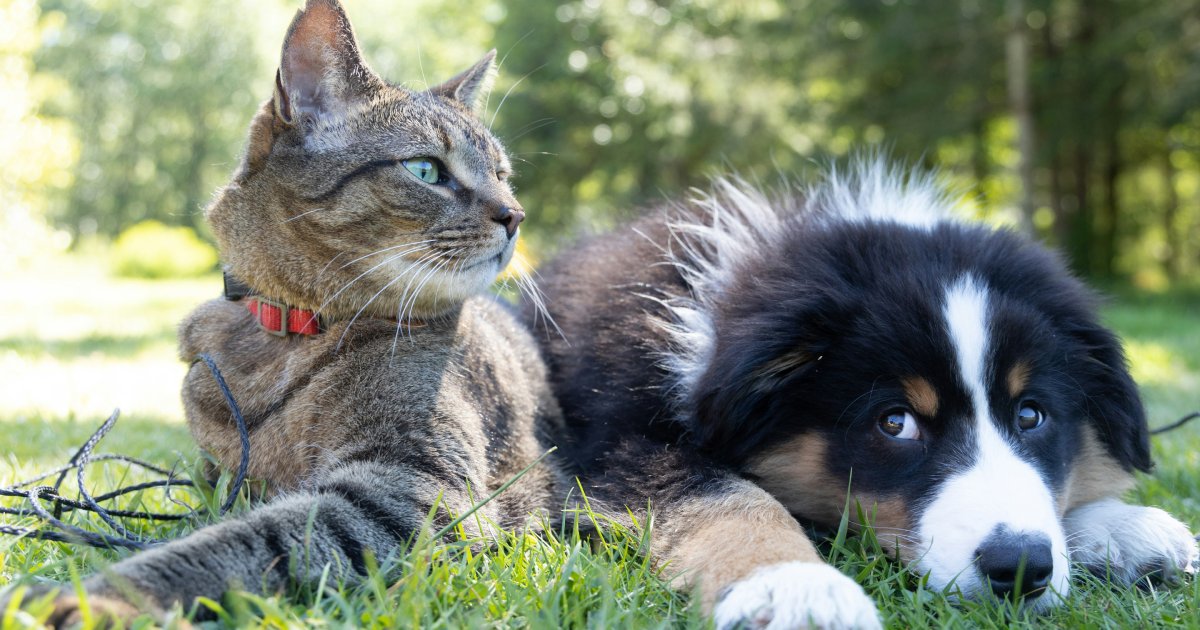
Canine vs. Feline Probiotics: Why a Dog Formula May Not Be Ideal for Your Cat
Dogs and cats have distinctly different gut microbiomes. Though a few strains such as Enterococcus faecium SF68 work for both pets, dog‑formulated probiotics are less optimal for cats. Cross‑species use may be safe with weight‑adjusted dosing, yet species‑specific formulas deliver better gut‑colonizing performance.
-

Do Senior Dogs Need Probiotics?
Senior dogs face declining gut‑microbiome diversity, reduced digestive efficiency and inflammaging. Daily probiotics are not mandatory, yet intermittent supplementation helps seniors with unstable stool, poor appetite or long‑term medication. Use validated canine strains; avoid year‑round continuous dosing and seek vet advice for underlying illness.
-

Which Probiotic is best for Which Problem?
This vet-backed guide matches specific dog probiotic strains to common canine issues including diarrhea, constipation, allergies and post-surgery recovery. It explains unique strain functions, trustworthy combinations, harmful ingredients to avoid, and realistic recovery timelines for optimal gut health support.
-
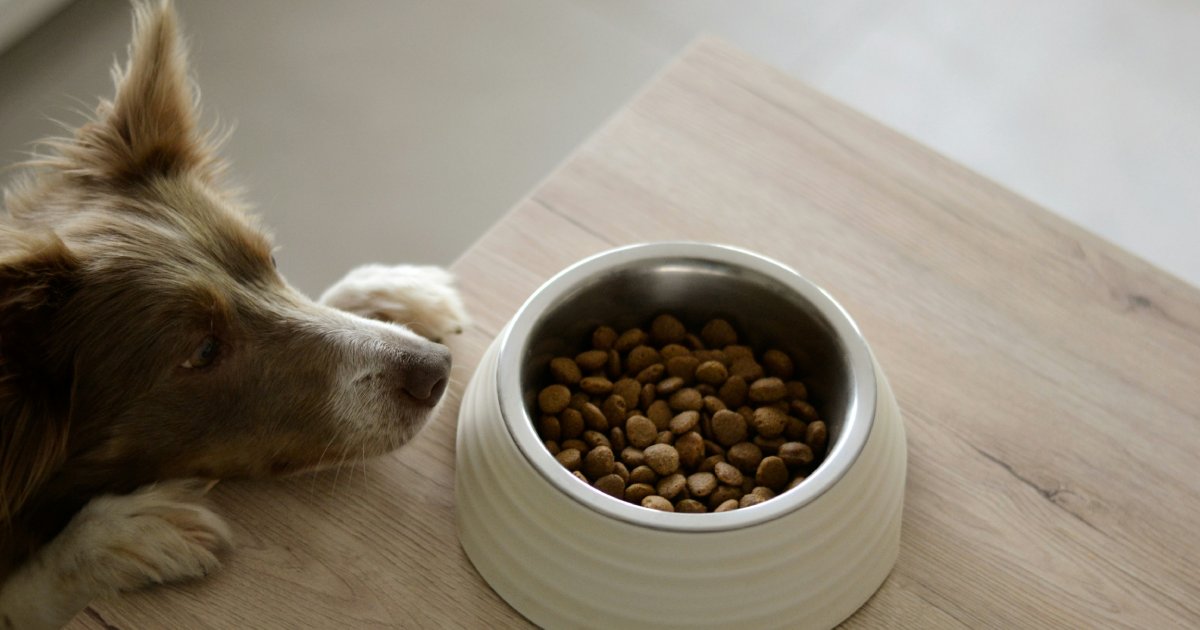
How Do Probiotics Help Ease Digestive Upset During Pet Food Transitions?
Abrupt pet‑food switch often triggers loose stool as microbiome and digestive enzymes readjust. Probiotics stabilize gut ecology via beneficial colonization, pathogen exclusion and barrier protection. Start probiotics from day‑one alongside a 7‑10‑day gradual diet transition for preventive support instead of emergency rescue. Not for allergies or infectious diarrhea.
-
What Are the Benefits of Probiotics for Your Dog?
Science-backed dog probiotics deliver three core benefits. They restore intestinal microbial balance via competitive exclusion, boost canine gut-based immune function, and enhance digestive comfort by producing SCFAs, relieving gas and stool issues. This guide offers educational content and does not replace professional veterinary advice.
-

How Probiotics Restore Gut Microbiome Balance in Pets With Sensitive Stomachs
Sensitive‑stomach pets suffer from gut dysbiosis rather than mere temperament. Probiotics gently restore intestinal ecosystem by boosting SCFA production, competing against pathogens and repairing gut barrier. Improvement takes weeks; start with half‑dose and watch for red‑flag symptoms needing vet intervention.
-

How to Restore Gut Health After Surgery: Probiotics in Canine Recovery
Surgery, anesthesia, antibiotics and stress severely disrupt dogs’ gut microbiome. This guide explains the safe timing, proper diet phases and strain selection for postoperative probiotic use. It covers antibiotic spacing rules and safer postbiotic alternatives for immunocompromised pups to support gut recovery.
-

Can Probiotics Help a Constipated Dog?
Probiotics cannot act as laxatives for constipated dogs, yet they support normal gut motility via SCFA production, nerve‑signal regulation and improved stool hydration. Best results come when combined with sufficient water, soluble fiber and exercise. Seek vet help for severe or persistent constipation. This content cannot replace veterinary advice.
-

Probiotics 101: What Is CFU, and Why Colony Count Alone Does Not Tell the Whole Story
CFU represents viable probiotic bacteria count, yet higher numbers do not always mean better performance. This article explains five key evaluation criteria: specific validated strains, gastric‑acid survival, expiration‑date CFU guarantee, proper dosage and synbiotic formulation. This educational content cannot replace professional veterinary advice.
-

The Probiotic Pairing Guide: How to Safely Combine Gut Support with Other Pet Supplements
This science‑backed guide explains safe ways to combine pet probiotics with other supplements. Some supplements create strong synergy, while antibiotics and oral disinfectants require at least two‑hour separation. It provides practical pairing templates and timing tips for dogs and cats. This educational content cannot replace veterinary advice.
