-

Prebiotics 101: A Starter Guide for Pet Parents
Prebiotics are essential fermentable fibers that feed your dog’s beneficial gut bacteria. Discover how key types like FOS, MOS, inulin, and pumpkin work to boost SCFA production, protect the gut barrier, and support optimal canine digestion in this quick, expert starter guide for pet parents.
-
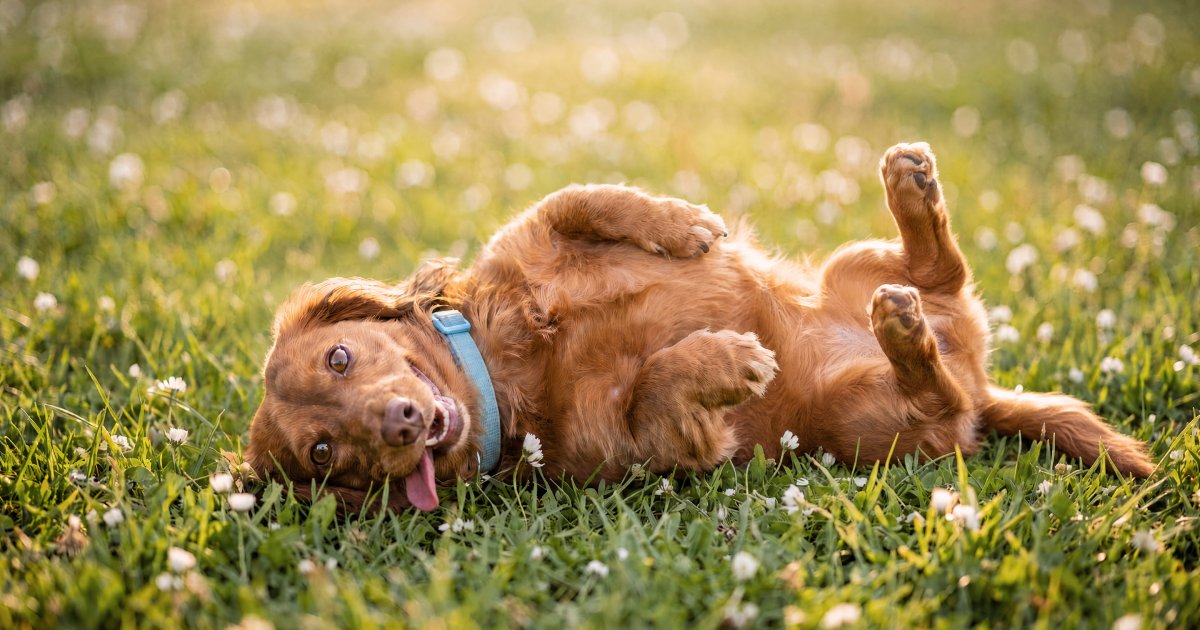
Can Probiotics and Dewormers Be Given Together? A Complete Post-Deworming Gut Recovery Guide
Deworming disrupts pets’ gut via drug effects, parasite die-off and microbial shifts. This guide clarifies probiotics can be used with dewormers safely with proper timing. It also explains probiotics’ gut recovery functions and usage taboos for pets.
-

Do Puppies Need Probiotics? Complete Science-Backed Guide
This science‑backed guide explains when puppies need probiotics for weaning, stress, antibiotics and digestive upset. It covers long‑term gut‑immune benefits, product‑selection criteria, safe dosing rules and clarifies that healthy puppies do not require year‑round daily supplementation.
-

Can Probiotics Cause Side Effects in Dogs?
Probiotics may trigger mild temporary side‑effects in dogs during the 48‑72‑hour gut‑adaptation phase. This article explains adverse reaction types, common user mistakes, tailored usage rules for puppies, adults, seniors and immunocompromised pets, plus safe‑administration guidance.
-
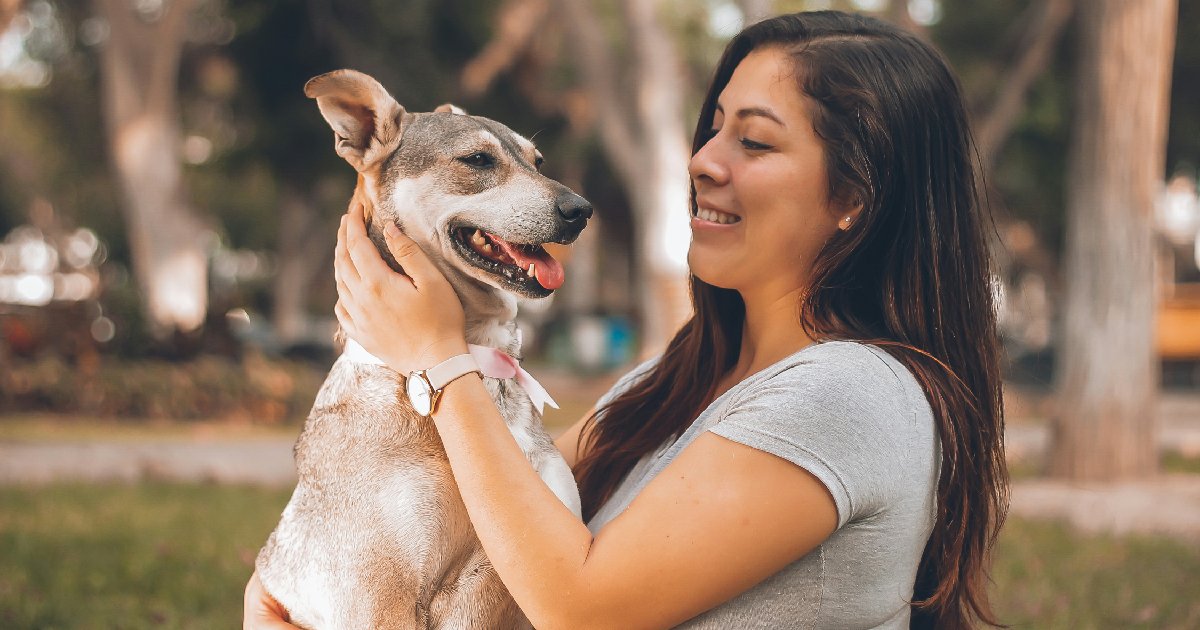
Moving, Car Rides, and Boarding: Can Probiotics Prevent Stress Diarrhea?
Stress from moving, car rides or boarding often triggers canine diarrhea via the gut‑brain axis. This article introduces a 3‑5‑day preemptive probiotic protocol, recommended strains and multi‑factor management tips, and lists warning symptoms requiring prompt veterinary treatment.
-
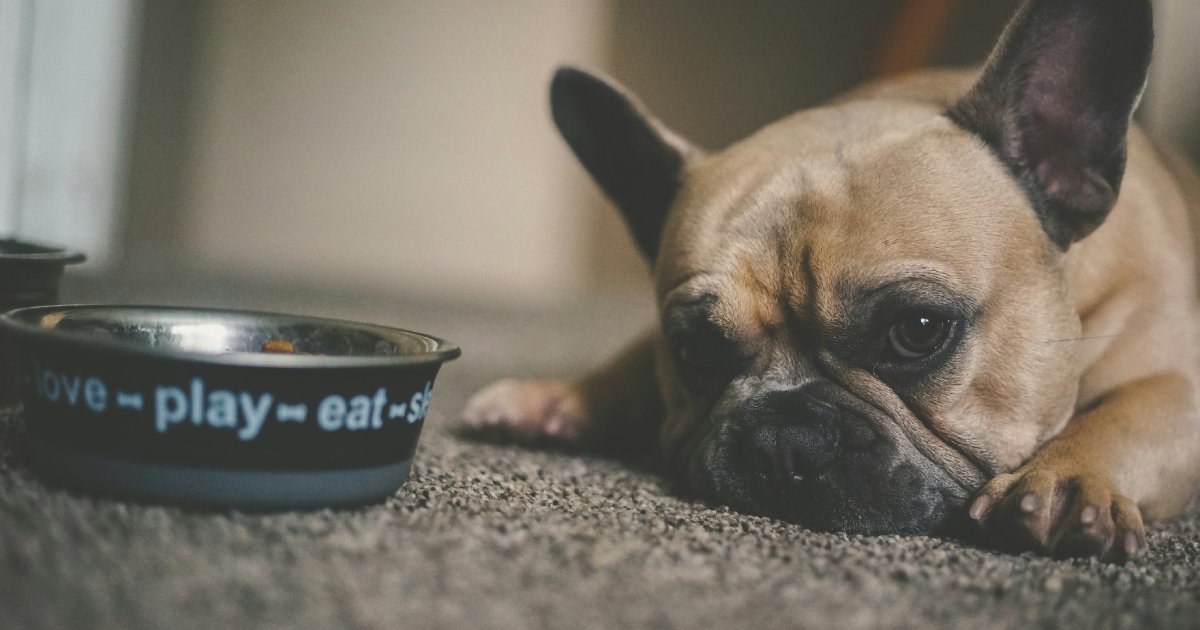
Is Your Pet Always Struggling With Digestion? How Probiotics Support the Gut From the Inside Out
Chronic pet digestive issues often point to poor nutrient breakdown and absorption. This article explains two key probiotic‑working mechanisms, shares criteria for picking high‑quality products, and covers correct administration to relieve persistent soft stool, foul feces and malabsorption in dogs and cats.
-
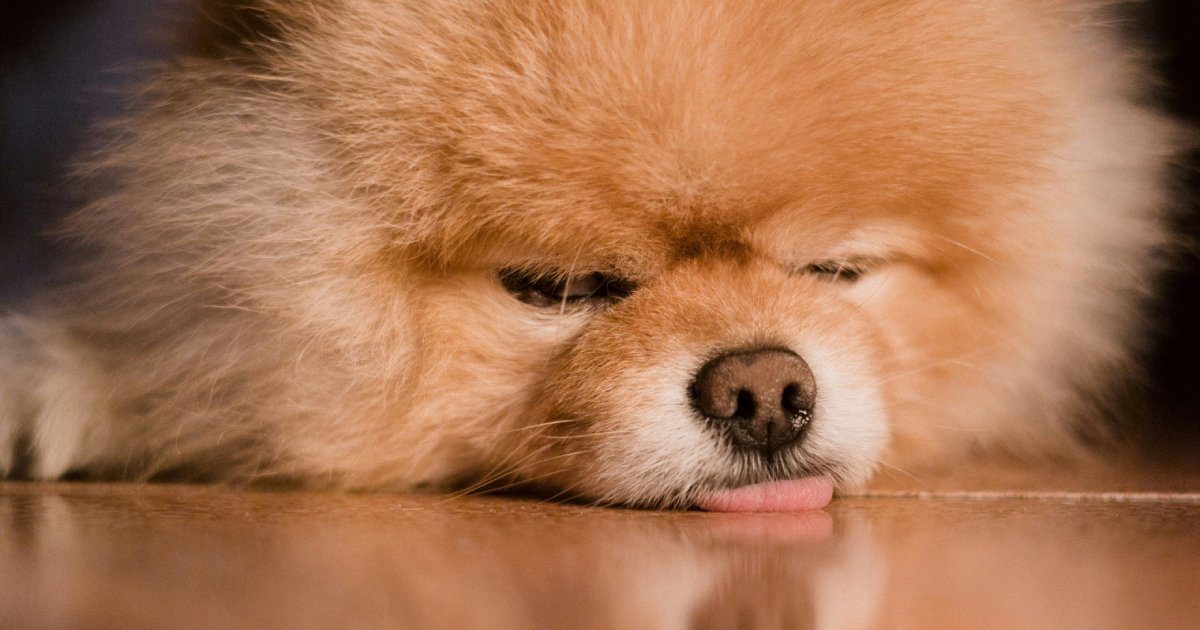
Is Your Pet Turning Away from Food? How Probiotics Can Help Restore a Healthy Appetite
Loss of pet appetite often stems from gut dysbiosis instead of pickiness. This article explains how probiotics restore feeding drive via the gut‑brain axis, shares practical administration tips, and lists red‑flag symptoms that require timely veterinary intervention for dogs and cats.
-
Can Probiotics Help Dogs With Food Allergies?
Probiotics cannot cure canine food allergies but aid intestinal‑barrier repair. This article explains gut‑skin axis mechanisms, combined protocols with elimination diet, realistic improvement timelines, and notes when veterinary consultation is required for persistent dog skin irritation.
-
How Do Probiotics Improve Soft Stool in Pets?
This article explains how probiotics improve pets’ soft stool by balancing gut fermentation, boosting SCFA production and supporting colon‑cell energy. It covers stool scoring, root causes of loose feces, practical feeding protocol, and clarifies when you must seek veterinary care for your pet.
-
Probiotics for Preventive Care: Why Healthy Dogs Don’t Need Them Every Day
Healthy dogs do not require daily probiotics for gut care. This article explains cyclical, intermittent supplementation protocols for puppies, adults and senior dogs. Over‑supplementation may weaken native microbiome resilience; probiotics should only support, not replace balanced nutrition and veterinary care.
