-
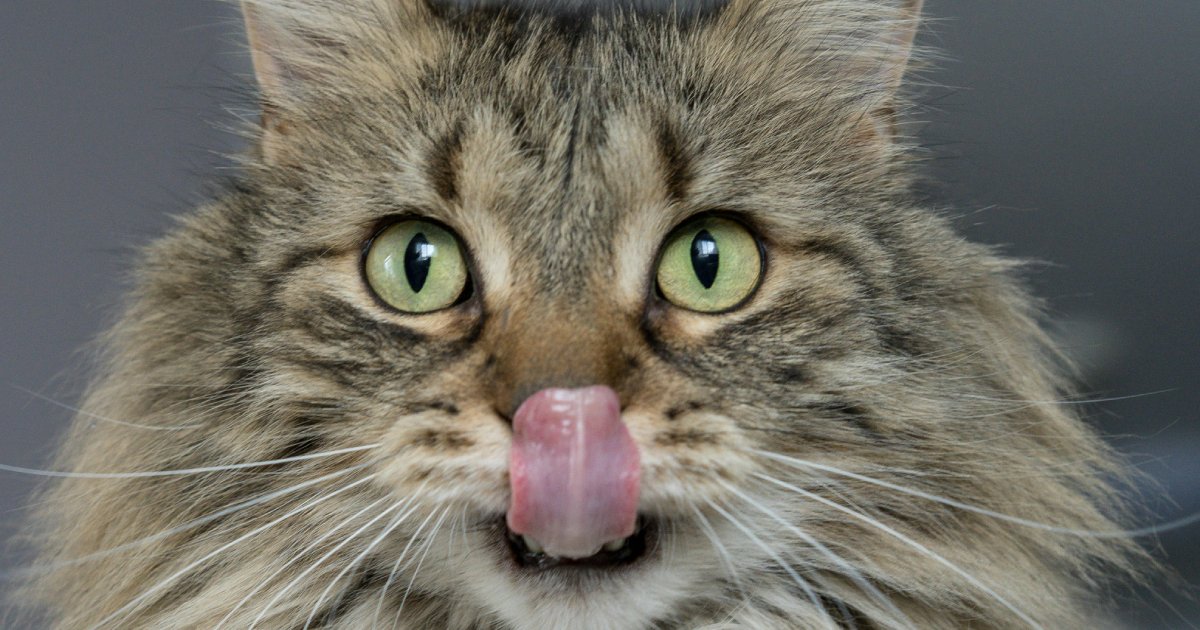
Can Probiotics Really Reduce Cat Litter Box Odor?
Scented cat litter only masks litter‑box odour, while feline‑specific probiotics tackle root causes inside the gut. This article explains three key mechanisms, realistic timelines and common misconceptions. Pairing probiotics with digestible protein and prebiotics helps reduce foul stool smell. This educational content cannot replace professional veterinary advice.
-

Do Pets Still Need Probiotic Supplements If They Eat Natural Probiotic Foods?
Natural fermented probiotic foods like yogurt cannot replace professional pet probiotic supplements. They lack sufficient CFU and pet-specific strains, and may contain harmful lactose or xylitol. Learn when natural foods work for maintenance and why targeted supplements are needed for stressed or unbalanced pet gut health.
-

How to choose a product that actually works for your dog’s gut
Human probiotics cannot substitute canine‑specific ones for dogs, as human bacterial strains barely survive dogs’ highly acidic stomach. This guide outlines four common purchasing mistakes and four non‑negotiable criteria to select qualified dog probiotics, including validated strains and guaranteed expiration‑date CFU counts. This educational content does not replace veterinary advice.
-

A Veterinarian-Backed Intro to Canine Probiotics
This vet‑backed guide explains what canine probiotics are and their role in digestion and immune function. It covers common gut‑imbalance symptoms, various probiotic forms, ideal usage scenarios, and red flags requiring vet visits. Probiotics work best for prevention rather than emergency treatment. This content is educational and cannot replace professional veterinary advice.
-
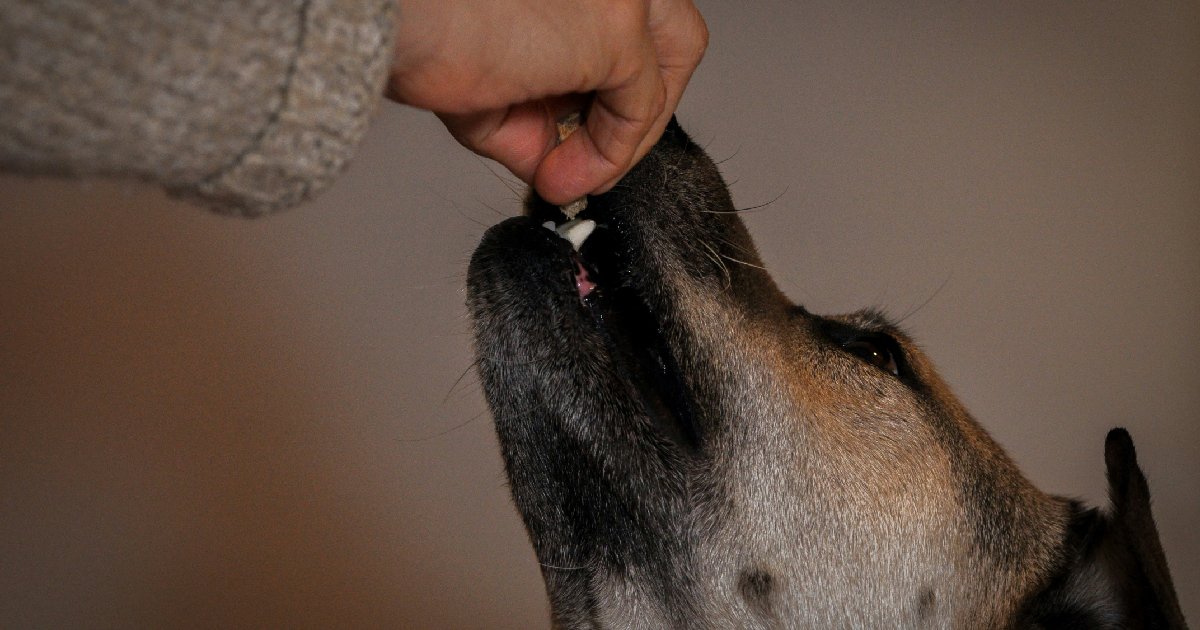
Can You Give Probiotics and Antibiotics at the Same Time?
Never give probiotics and antibiotics to dogs simultaneously, as antibiotics kill beneficial bacterial strains. You should separate doses by at least two‑hours during medication, or ideally start probiotics for 7‑14 days after finishing antibiotics. Learn practical dosing rules for puppies, seniors and high‑risk dogs. This content cannot replace veterinary advice.
-

What Are Synbiotics? Benefits for Canine Gut Health
Synbiotics pair probiotics with prebiotics to support canine gut health, working more effectively than either ingredient alone. This piece explains ISAPP official definitions, two synbiotic subtypes, and research‑backed benefits: better probiotic survival, firmer stools, strengthened intestinal barriers and stress‑resilient digestion. It also debunks popular misconceptions and offers practical tips to evaluate genuine synbiotic supplements. This…
-

The Show Ring Paradox: When “Perfect Structure” Hides a Genetic Flaw
The Show Ring Paradox explores how ideal show conformation can mask inherited skeletal flaws in conformation dogs including French Bulldogs, Pomeranians and Dachshunds. Explore DVL2 and FGF4 genetic mutations, risks of patellar luxation, hemivertebrae and IVDD, plus evidence-based joint maintenance, show training adjustments and vet-backed supplement strategies for long-term canine comfort.
-

How to Protect Your Dog’s Joints
How to Protect Your Dog’s Joints: A science-backed guide answering whether canine joint supplements deliver real results. Explore root causes of osteoarthritis including excess weight, slippery flooring and high-impact activity. Learn the evidence for Omega-3, ASU, eggshell membrane, glucosamine & chondroitin, plus actionable lifestyle strategies for long-term joint wellness.
-

The Paradox of Size: Joint Vulnerability in Small Breeds
The Paradox of Size uncovers joint risks unique to small and toy breed dogs. Frequent jumping, hard flooring and anatomical predisposition raise risks of luxating patella and early osteoarthritis. Explore practical strategies including ramp usage, hydrotherapy and properly dosed, high-potency joint nutrition to protect tiny joints long-term.
-

Understanding Joint Risks in Large Breeds
The Heavy Burden explores unique joint risks for large breed dogs including Labradors, German Shepherds and Golden Retrievers. Learn how body weight force multipliers, growth plate development and sedentary lifestyles accelerate arthritis and CCL injuries, plus science-backed strategies covering weight control, hydrotherapy, surface management and targeted joint nutrition.
