


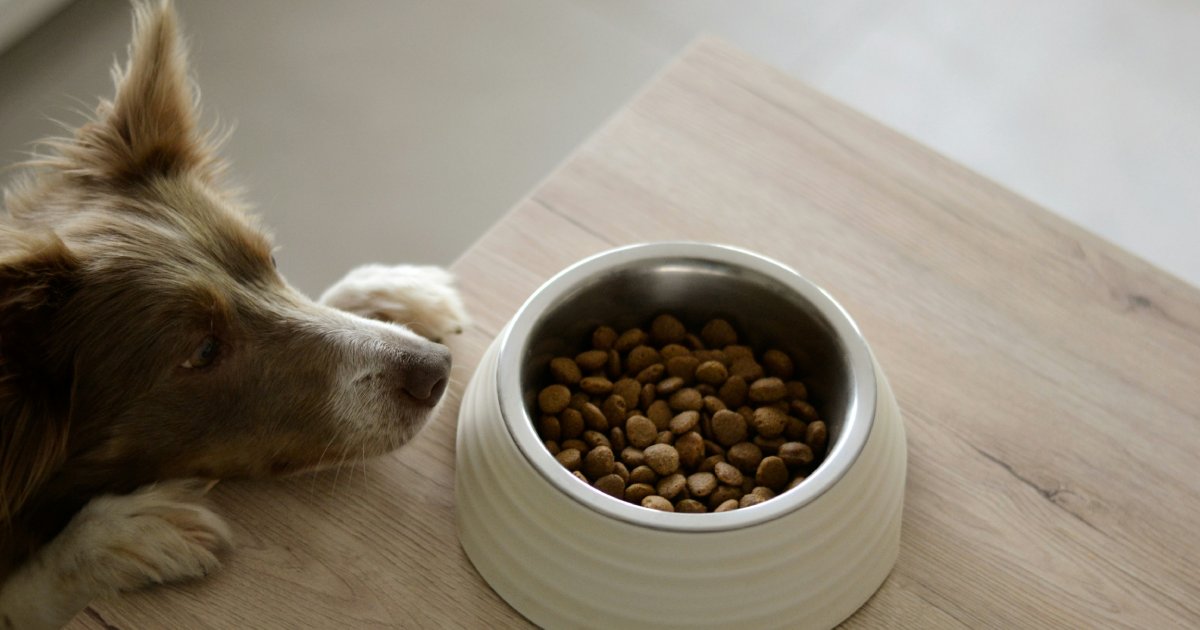

You pour the first bowl of a new premium food, eager to see the benefits. Within days, bloating, loose stool, or diarrhea appears. It is disheartening — and entirely predictable. The gastrointestinal tract does not switch gears overnight. When the diet changes, the microbial ecosystem inside the colon must adapt, and during that window, digestive upset is common. This article explains why transitions trigger GI distress, how probiotics support the gut through the process, and why prevention outperforms post-symptom rescue.
Part 1: Why Food Transitions Disrupt the Gut
A pet’s digestive system is an active, adaptive environment. When the diet changes, three systems are thrown out of balance simultaneously.
1. The Microbiome Must Reconfigure
Different proteins, fats, and fiber types favor different bacterial populations. A sudden influx of novel substrates forces microbial restructuring. Research from the University of Illinois documented that when dogs are switched abruptly to a new diet, fecal metabolites begin shifting within two days, and the bacterial community stabilizes by day six (Swanson et al., 2022). During that interim, the microbiome is in flux — a common cause of soft stool and flatulence.
2. Enzyme Production Lags Behind
The small intestine secretes digestive enzymes in proportions calibrated to the current diet. A switch from chicken-based kibble to salmon, or from grain-inclusive to grain-free, changes the macronutrient profile. The pancreas and intestinal lining need several days to adjust enzyme output. Until they do, partially digested nutrients reach the colon, fueling osmotic diarrhea and excessive gas.
3. Abrupt Change Amplifies Symptoms
A comparative study in healthy beagle puppies found that abrupt dietary change increased diarrhea and soft stool incidence, lowered fecal pH, and enriched Streptococcus while depleting beneficial fiber-degrading bacteria. In contrast, a seven-day gradual transition reduced diarrhea rates, increased Faecalibacterium and Turicibacter — both associated with short-chain fatty acid production — and maintained stable fecal pH (Lin et al., 2022). Speed of transition directly correlates with symptom severity.
Part 2: How Probiotics Support the Transition
Probiotics do not speed up the transition, but they reduce turbulence by stabilizing the gut environment while the native microbiome adapts.
1. Accelerating Colonization of Beneficial Strains
When the diet changes, native bacterial populations that thrived on the old food decline, creating an ecological vacuum. Opportunistic organisms can exploit this vacancy. Probiotic strains such as Enterococcus faecium and Lactobacillus species introduce validated, beneficial organisms that occupy adhesion sites and begin producing short-chain fatty acids immediately. This pre-emptive colonization prevents the microbiome from collapsing into dysbiosis during the transition window.
2. Competitive Exclusion of Opportunistic Pathogens
Probiotics produce bacteriocins and organic acids that lower intestinal pH, creating an environment hostile to enteropathogens. During a food transition, when the gut is vulnerable, this competitive exclusion is especially valuable. The Royal Canin Academy notes that probiotics can improve intestinal barrier function and provide immunomodulatory support — both stressed when the gut adapts to new dietary antigens.
3. Supporting Barrier Integrity
Dietary transitions can increase intestinal permeability, allowing bacterial endotoxins and undigested proteins to cross the gut lining and trigger low-grade inflammation. Probiotics reinforce tight-junction proteins between enterocytes, reducing translocation risk, and modulate local immune responses so the gut tolerates new dietary proteins without mounting an inflammatory reaction.
Probiotic support during dietary transition:
| New diet → native microbiome destabilized + enzyme lag → GI upset risk |
| ▼ |
| Probiotic supplementation → beneficial strains colonize + SCFA production + pH reduction |
| ▼ |
| Stabilized gut environment → reduced dysbiosis → smoother transition → firmer stool |
Part 3: Prevention Outperforms Remediation
A common mistake is to treat probiotics as an emergency intervention — reaching for them only after diarrhea starts. Probiotics alter microbial ecology, which requires time. Starting supplementation on day one allows beneficial strains to establish before dysbiosis develops. Waiting until symptoms appear means the gut is already inflamed and the microbiome already skewed.
Recommended 7–10 day gradual transition protocol:
| Phase | Old : New Ratio | Duration |
| Introduction | 75% : 25% | Days 1–2 |
| Balancing | 50% : 50% | Days 3–5 |
| Majority New | 25% : 75% | Days 6–8 |
| Completion | 0% : 100% | Days 9–10+ |
Probiotic supplementation should begin on day one and continue for 7–10 days after completion. This covers the full microbial adaptation window and provides a buffer against post-transition rebound dysbiosis.
Part 4: What Probiotics Cannot Do
Probiotics are valuable adjuncts, not universal solutions.
• They do not halt severe diarrhea immediately. Probiotics modulate microbial ecology over 48–72 hours. If a pet develops watery diarrhea, vomiting, or lethargy during a transition, pause the new food and consult a veterinarian.
• They cannot resolve food allergies or intolerances. If a pet is genuinely allergic to a protein or carbohydrate in the new diet, no amount of probiotic supplementation will prevent an immune-mediated reaction. An elimination diet or hydrolyzed protein formula is required.
• They do not treat parasitic or infectious diarrhea. Giardia, Salmonella, or Clostridium infections require targeted antimicrobial or antiparasitic therapy. Probiotics may be used as adjuncts after diagnosis, but should not delay professional evaluation.
• Individual response varies. Breed, age, baseline microbiome composition, and concurrent medications all influence how a pet responds to probiotic supplementation.
The Bottom Line
Food transitions are physiologically demanding. The gut microbiome, enzyme systems, and immune tolerance all require time to recalibrate. A gradual, 7–10 day transition is the foundation of GI comfort. When paired with species-specific probiotics started on day one — not after symptoms appear — the transition becomes smoother and less stressful. Probiotics are not a substitute for gradual change, nor a cure for underlying disease. But as a preventive tool, they offer meaningful, evidence-based support for the microbial and metabolic upheaval that every dietary transition creates.
References
• Swanson, K. S., Lin, C. Y., Jha, A., et al. (2022). Longitudinal fecal microbiome and metabolite data demonstrate rapid shifts and subsequent stabilization after an abrupt dietary change in healthy adult dogs. Animal Microbiome, 4, 37.
• Lin, C., et al. (2022). Abrupt dietary change and gradual dietary transition impact diarrheal symptoms, fecal fermentation characteristics, microbiota, and metabolic profile in healthy puppies. Animals, 12(5), 620.
• Royal Canin Academy. (2022). Canine microbiome dysbiosis: Therapy and management.
• Hill’s Pet Nutrition. (2021). Understanding your pet’s microbiome. Hill’s Global Pet Nutrition Center.
• Preventive Vet. (2022). How to change your pet’s food to avoid diarrhea.
Disclaimer: This article is for educational purposes only and does not replace professional veterinary advice. Always consult your veterinarian before introducing supplements or making dietary changes.