



The timing mistake that wastes your money and shortchanges your dog
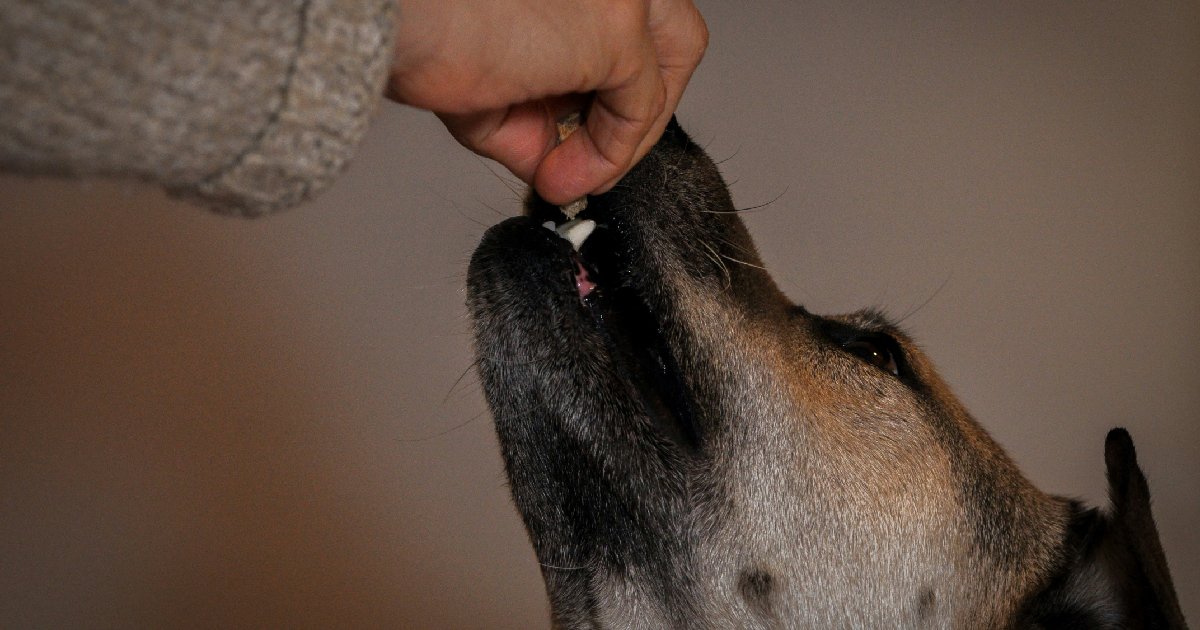
Your veterinarian prescribed a ten-day course of amoxicillin for your dog’s skin infection. You also bought a probiotic, because you have heard antibiotics disrupt the gut. So you sprinkle both into the same meal, hoping to cover all bases. Two weeks later, your dog’s infection is gone, but his stool has never been looser. What happened?
You did not do anything malicious. But you did make the most common—and most costly—timing error in canine probiotic use. Antibiotics and bacterial probiotics are not friends. They are competitors, and the antibiotic always wins.
Why Simultaneous Dosing Fails
Antibiotics are broad-spectrum weapons. They do not distinguish between the pathogenic bacteria causing your dog’s infection and the beneficial bacteria you just paid to introduce. When a probiotic is ingested within two hours of an antibiotic dose, the medication kills the supplemented strains in the stomach and upper small intestine before they ever reach their target environment: the colon.
The result is a double loss. Your dog receives none of the probiotic benefit, and the antibiotic’s efficacy may even be marginally reduced because bacterial metabolic byproducts can interfere with drug absorption in some formulations. You have wasted the supplement and delayed your dog’s gut recovery.
The Science of Separation
Bacterial survival depends on distance from the antibiotic’s peak serum concentration. Veterinary pharmacology data support a minimum separation of two hours. However, this is a floor, not a ceiling. The safer and more effective protocol is to separate the interventions entirely:
During antibiotic therapy: If your veterinarian agrees that probiotic support is appropriate during treatment, give the probiotic at least two hours before or after the antibiotic dose. This narrow window allows some bacteria to transit past the antibiotic’s zone of maximal activity.
After antibiotic therapy (preferred): Wait until the antibiotic course is complete, then begin probiotics immediately. Continue for 7 to 14 days. This post-antibiotic window is when the gut is most depleted of commensal species and most receptive to re-colonization. It is also when the risk of antibiotic-associated diarrhea (AAD) is highest, making probiotic support most valuable.
This post-treatment approach aligns with the largest body of clinical evidence. A 2009 study of canine acute diarrhea demonstrated that Bifidobacterium animalis strain AHC7, administered after the acute phase, significantly reduced recovery time compared to untreated controls (Kelley et al., 2009).
Species-Specific Considerations
Puppies on antibiotics
Young dogs have immature microbiomes and are more susceptible to antibiotic-induced dysbiosis. For puppies, the post-antibiotic protocol is strongly preferred. If concurrent dosing is unavoidable, use a yeast-based probiotic such as Saccharomyces boulardii, which is unaffected by bacterial antibiotics.
Senior dogs on chronic medication
Older dogs frequently receive repeated antibiotic courses for dental disease, skin infections, or urinary tract issues. Their native microbiomes are already less diverse. For seniors, a 10 to 14 day probiotic recovery period after each antibiotic course is advisable, with intermittent cycling (7 days on, 3 to 5 days off) for maintenance.
Dogs with a history of antibiotic-associated diarrhea
If your dog has developed loose stool during previous antibiotic courses, begin the probiotic on day one of the next antibiotic course—spaced two hours apart—and continue for 14 days after completion. This preventive protocol has been shown to reduce AAD incidence in high-risk populations.
A Simple Protocol to Follow
- Step 1: Complete the full antibiotic course as prescribed. Do not stop early to ‘make room’ for probiotics.
- Step 2: On the day after the final antibiotic dose, begin the probiotic at the full labeled dose.
- Step 3: Continue daily for 10 to 14 days. Monitor stool consistency using a 1-to-5 scale.
- Step 4: If stool remains firm and appetite is stable, transition to a maintenance schedule (2 to 3 days per week) or discontinue entirely.
If your dog is on a long-term antibiotic such as doxycycline for a chronic condition, consult your veterinarian about a rotating schedule that protects gut health without creating dependency on exogenous bacteria.
The Bottom Line
Probiotics and antibiotics should not be given at the same time. The antibiotic will destroy the probiotic, leaving your dog’s gut barren when it needs support most. The correct approach is separation: either by at least two hours during treatment, or—preferably—by beginning probiotics after the antibiotic course ends and continuing for 7 to 14 days. Timing is not a minor detail. It is the difference between a recovered gut and a wasted bottle.
Disclaimer: This article is for educational purposes only and does not replace professional veterinary advice. Consult your veterinarian before starting any supplement regimen.